


Acai Bowl: Elevating Breakfast with Fresh Maui Acai Bowls
Updated: 7 days ago

An acai bowl done right is one of those breakfasts that actually makes you feel good about what you're eating. But a lot of people wonder, "Is it really that healthy, or is it just a pretty Instagram dish?"
Others ask whether they can replicate that thick, creamy, perfectly layered version they had at a Maui villa without any real culinary skills. The answer to both is yes, and this guide breaks it all down from the origin of the bowl to how a Maui private chef would actually build one from scratch.
Acai Bowl Origins and Hawaiian Influence
Acai comes from the Amazon rainforest in Brazil, where indigenous communities have eaten the small, dark purple berry for centuries. It made its way to Hawaii through the surf culture of the 1990s, when Brazilian surfers brought frozen acai pulp to the islands as a pre-surf energy meal. Hawaii, especially Maui, took to it immediately.
The reason acai landed so well in Hawaii is simple: the local food culture was already built around fresh, tropical, nutrient-dense ingredients. Maui farmers markets overflow with mangoes, papayas, lilikoi, and locally grown greens. Acai fit right in.
Over time, Hawaiian chefs and home cooks began pairing acai with local fruits, granola made from Hawaiian honey, and coconut harvested on the island itself.
Today, the acai bowl is a staple of Maui mornings. Whether you're staying in a beachfront villa in Wailea or a retreat in Lahaina, starting the day with a fresh, locally inspired bowl is part of the experience.
Nutritional Benefits
The acai berry packs a serious nutritional profile. It's loaded with antioxidants, particularly anthocyanins, which give the berry its deep purple color and help fight oxidative stress in the body. It also contains healthy fats, similar to those found in olive oil, which support heart health and help you feel full longer.
Beyond the berry itself, the bowl format means you're layering in fiber from granola and fresh fruit, natural sugars that won't spike your energy and crash it, and vitamins from toppings like banana, mango, and kiwi. When built with intention and quality ingredients, it's a genuinely balanced breakfast, not just a pretty one.
It's also worth noting that acai is lower in sugar than most fruit, which makes it a smart base for people watching their sugar intake.
Essential Ingredients Selection
The quality of your acai bowl starts before you even touch a blender. Choosing the right ingredients makes everything else easier.
For the base, look for unsweetened frozen acai packets. These give you full control over the sweetness of the bowl without loading it up with added sugar. Most grocery stores and health food shops carry them, and in Maui, you can often find locally sourced frozen acai at farmers markets.
For toppings, think fresh over processed whenever possible. Ripe bananas, local Maui mango, fresh strawberries, and coconut flakes sourced from Hawaiian coconuts will always beat a shelf-stable substitute. For granola, a small-batch version made with macadamia nuts or Hawaiian honey brings a local touch that elevates the whole bowl.
Liquid matters too. Coconut water, coconut milk, or a small splash of almond milk all work well as your blending liquid. Each one changes the flavor slightly, so pick based on what you want the base to taste like.
Base Blending Techniques
Getting the base right is where most people trip up. The goal is a thick, almost sorbet-like consistency. If it's too runny, the toppings sink, the texture is off, and the whole bowl feels more like a smoothie.
Start with fully frozen acai packets. Break them up slightly before adding them to your blender. Add your liquid in very small amounts, just enough to get the blender moving. Less is more here. Too much liquid and you lose that thick, spoonable texture that makes an acai bowl what it is.
Use a tamper if your blender has one. High-powered blenders work best for this, but if you're working with a standard blender, blend in short pulses rather than one long run. This keeps the mixture cold and prevents it from liquefying too fast.
The finished base should hold its shape when you pour it into a bowl. If it spreads too thin or pools at the edges, it needs more time in the freezer before serving.
Incorporating Local Maui Flavors
One of the things that makes a Maui-style acai bowl stand out is the intentional use of local ingredients. This is something Chef Jason Raffin brings into every breakfast preparation, sourcing from the island rather than defaulting to generic toppings.
Fresh Maui mango is a natural pairing with acai. The sweetness and slight tang of island-grown mango cuts through the earthiness of the acai base in a way that imported or out-of-season mango just doesn't. Lilikoi (passion fruit) drizzled over the top adds a bright, acidic note that balances the richness of coconut milk.
Local honey from Maui beekeepers sweetens without overpowering. Add a few sprigs of fresh mint, which grows abundantly on the island, and you've got a bowl that genuinely tastes like it was made in Hawaii, because it was.
Even the coconut flakes make a difference when they're sourced locally. Freshly shaved coconut from a Maui coconut has a creamier, more complex flavor than the dried, sweetened version from a bag.
Topping Layering Methods
There's a right order to layering a bowl, and it matters more than most people think. Toppings aren't just decoration. They affect every bite, so how you layer them changes the eating experience.
Start by pouring the blended base into a wide, shallow bowl. Spread it evenly with the back of a spoon. Then add your granola first, pressing it lightly into the base so it anchors and doesn't slide off. Next, add your sliced fresh fruit in sections or rows, keeping the arrangement clean without being fussy about it.
Drizzle your honey, nut butter, or lilikoi after the fruit is placed. This way the drizzle stays visible and doesn't get lost under layers. Finish with lighter toppings like coconut flakes, chia seeds, or fresh mint leaves. These sit on top and give the bowl its finished, polished look.
Layering with intention also means thinking about texture in every bite. Crunchy granola, soft fruit, creamy base, and a drizzle of something sweet or tangy should all be present.
Acai Bowl Customization Options
One of the biggest strengths of the acai bowl is how adaptable it is. You can build it around almost any dietary need or flavor preference without losing what makes it good.
For a higher-protein version, blend in a scoop of vanilla protein powder with the base or top with hemp seeds and a thick spoonful of almond or peanut butter. If you're going lower-calorie, skip the granola and use fresh fruit as your only topping with a light drizzle of honey.
Want more tropical flavor? Double up on the Maui mango and add a few slices of fresh pineapple. Going for something more grounding and earthy? Add cacao nibs, a swirl of tahini, and top with walnuts.
For guests with dietary restrictions, the base is naturally vegan and gluten-free as long as you choose a certified gluten-free granola. This makes the acai bowl one of the most inclusive breakfast options to serve at a private event or villa breakfast.
Serving Recommendations

How you serve an acai bowl matters, especially when you're presenting it as part of a broader breakfast or brunch experience. Temperature, timing, and presentation all play a role.
Serve immediately after layering. The base starts to soften quickly once it leaves the freezer, and the ideal eating experience is when the base is still thick and almost frozen in the center. If you're making multiple bowls for a group, prep the base in batches and keep it in the freezer between servings.
Use wide, shallow bowls rather than deep ones. This gives you more surface area to work with, makes layering easier, and creates a better visual when the bowl is presented. Chilled bowls straight from the freezer also help keep the base firm longer.
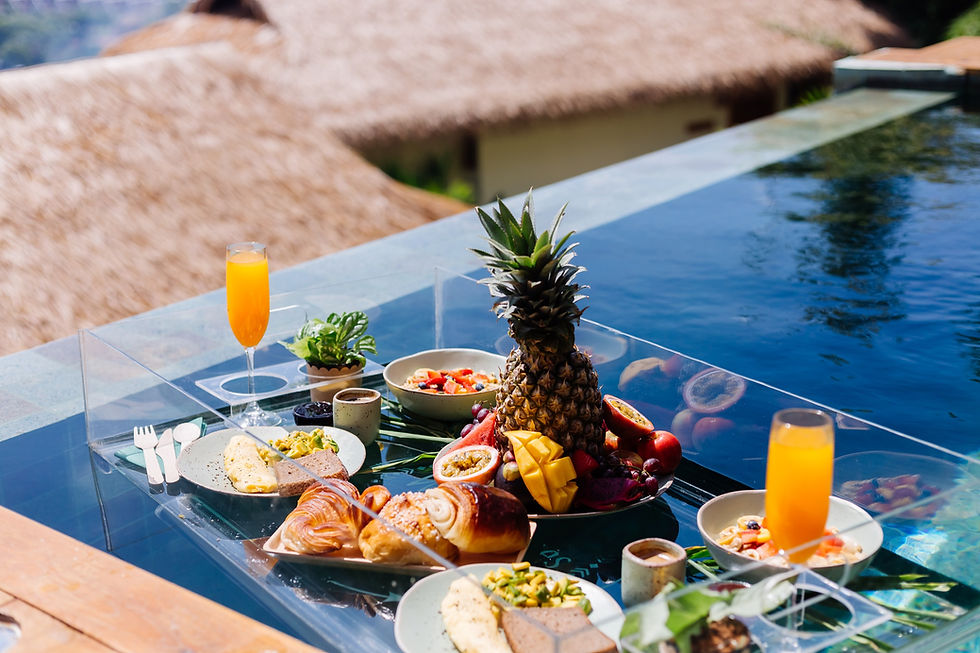
For a private chef breakfast experience in Maui, the acai bowl pairs well with cold brew coffee, fresh-pressed juice, or a light fruit platter to round out the spread.
Conclusion
Building a great acai bowl is less about complexity and more about choosing quality ingredients and handling them with a little care. From the frozen acai base to the local Maui toppings, every choice you make shapes the final result.
When it's done well, it's one of the most satisfying, nourishing, and visually beautiful breakfasts you can put on the table.
Whether you're cooking for yourself on a Maui morning or looking to have a private chef craft a full island-inspired breakfast spread, the acai bowl belongs at the center of it.
Frequently Asked Questions (FAQs)
1. What makes a Maui-style acai bowl different from a regular one?
A Maui-style acai bowl uses locally sourced ingredients like fresh island mango, Hawaiian honey, local coconut flakes, and lilikoi to create flavors tied to the island. The emphasis on fresh, seasonal produce sets it apart from versions made with generic or imported toppings.
2. Can I make an acai bowl ahead of time?
You can prep the base and freeze it up to a day in advance, but it's best to add toppings right before serving. Once the bowl is assembled, the granola softens quickly and the fruit begins to release moisture, which changes the texture.
3. Is an acai bowl actually healthy or high in sugar?
Acai itself is naturally low in sugar compared to most fruits. The overall sugar content of your bowl depends on what you add. Using unsweetened acai packets, skipping sweetened granola, and keeping the honey drizzle light keeps the bowl genuinely nutritious.
4. What liquid should I use to blend the acai base?
Coconut water gives a lighter, more tropical flavor. Coconut milk creates a richer, creamier base. Almond milk is a neutral option that lets the acai flavor come through cleanly. Start with just two to three tablespoons and add more only if needed to keep the base thick.
5. Can Chef Jason Raffin prepare acai bowls as part of a private breakfast in Maui?
Yes. A custom breakfast or brunch spread is one of the services available through Jason Raffin's private chef experience in Maui. Menus are tailored to the group, the location, and any dietary preferences, and can include locally sourced acai bowls alongside other island-inspired dishes.


Comments