


The Ultimate Guide to Making Hawaiian-Style Banana Bread
- Mar 19
- 7 min read
Updated: Apr 6
Banana bread is one of those things people think they know how to make until they taste a version built around real Hawaiian bananas, coconut oil, and a few techniques that change everything. If you've ever pulled a loaf from the oven that came out dry, dense, or bland, you're not alone. Most recipes miss the mark because they skip the island-sourced ingredients and the small details that separate a forgettable loaf from one people actually talk about.
Here in Maui, fresh ingredients aren't a luxury; they're the baseline. When you start with fruit grown in volcanic soil and ripened under the Hawaiian sun, the entire baking process shifts. This guide walks you through every step of making banana bread the island way, from origins to serving it on your lanai.
Banana Bread Origins and Hawaiian Influence
The story of banana bread in America starts in the 1930s when home bakers needed a way to use overripe fruit during the Great Depression. Baking powder and baking soda had just become widely available, and quick breads became a staple across the country. Hawaii added its own chapter to that story.
The islands have been cultivating bananas for centuries, with varieties like the apple banana, also called the Manzano, offering a shorter, sweeter, and creamier profile than the standard Cavendish most people buy at the grocery store. These bananas are naturally more intense in flavor, which means less added sugar and a richer end result.
Local Hawaiian bakers also incorporated ingredients like macadamia nuts, shredded coconut, and locally pressed coconut oil. The result was a denser, more aromatic loaf that carried the spirit of the islands in every bite. That tradition is very much alive in Maui today.
Nutritional Benefits of Banana Bread
Banana bread made with quality ingredients is more than just a comfort food. Ripe bananas are high in potassium, vitamin B6, magnesium, and natural sugars that provide quick, lasting energy. They also contain resistant starch, which supports gut health.
When you swap refined vegetable oil for coconut oil and use whole wheat flour or almond flour instead of all-purpose, you increase the fiber content and reduce the glycemic spike. Adding macadamia nuts contributes healthy monounsaturated fats and a satisfying crunch. None of this means banana bread becomes a health food, but it does mean a well-made island-style loaf gives you more than an average slice of something sweet. It's a snack worth making intentionally.
Essential Banana Bread Ingredients
Getting your ingredients right is where everything starts. Here's what you need for a proper island-style loaf:
Bananas
Use three to four very ripe bananas. The skin should be nearly black. Overripe fruit has broken down its starches into sugar, giving your loaf its natural sweetness and moisture. Hawaiian apple bananas are ideal if you can find them locally.
Fat
Coconut oil is the island choice. It adds subtle richness and a faint tropical note that complements the banana without overpowering it. Melted butter works well too, but coconut oil is worth seeking out.
Flour
All-purpose flour produces a classic texture. For a denser, more nutrient-rich loaf, substitute half with whole wheat or spelt flour.
Sweetener
Brown sugar adds depth and a slight molasses undertone. Honey or coconut sugar are excellent alternatives if you want to lean into the island character of the recipe.
Eggs
Two large eggs bind the loaf and help it rise. Room temperature eggs blend more evenly into the batter.
Leavening
One teaspoon of baking soda is all you need. Combined with the acidity in the bananas, it provides enough lift for a proper crumb.
Salt
A half teaspoon of sea salt sharpens every other flavor. Do not skip it.
Extras
Vanilla extract, cinnamon, and a pinch of nutmeg round out the flavor base before you add any mix-ins.
Preparation Techniques for Perfect Banana Bread
The difference between a dense brick and a tender crumb comes down to how you mix the batter. Over-mixing develops the gluten in the flour, which makes the loaf tough. The goal is to fold everything together just until no dry flour is visible.
Start by mashing your bananas thoroughly in a large bowl. A fork works fine, but a potato masher gives you a smoother consistency with a few small chunks for texture. Stir in your melted coconut oil, eggs, vanilla, and sugar until combined.
Add the flour, baking soda, salt, and spices in one addition. Fold gently with a spatula, using about 15 to 20 strokes. Stop the moment the batter looks uniform. If you're adding mix-ins like macadamia nuts or chocolate chips, fold them in with the last few strokes.
Let the batter rest for five minutes before pouring it into your pan. This gives the leavening agents time to activate and makes for a more even rise.
Incorporating Island Elements into Your Banana Bread
This is where island-style banana bread earns its name. The right additions take a standard loaf and give it a sense of place.
Macadamia Nuts
Roughly chopped and toasted, these add crunch and a buttery richness that pairs beautifully with banana. Toast them in a dry pan for three to four minutes until they're lightly golden before adding them to the batter.
Shredded Coconut
Unsweetened coconut flakes add chew and a tropical aroma. Mix them into the batter or press them into the top of the loaf before baking for a toasted crust.
Fresh Pineapple
A quarter cup of finely diced pineapple stirred into the batter adds brightness and keeps the crumb moist. Drain off any excess juice before adding.
Mango
Small chunks of ripe Maui Gold mango pressed into the top of the batter before baking caramelize slightly in the oven and create pockets of jammy sweetness throughout the loaf.
Kiawe Honey Glaze
Brush a thin layer of local Hawaiian honey over the top of the loaf as soon as it comes out of the oven. It soaks in as the bread cools and adds a floral finish.
Baking Methods for Optimal Texture
The standard approach works well:
Preheat your oven to 350 degrees Fahrenheit.
Grease a standard 9x5 loaf pan.
Bake for 55 to 65 minutes.
The loaf is done when a toothpick inserted into the center comes out clean and the top is deep golden brown. A few adjustments make a real difference. Line your pan with parchment paper so the loaf releases cleanly and doesn't over-brown on the sides. Place the pan on the middle rack for even heat distribution.
If the top browns too quickly before the center is done, tent a piece of foil loosely over the top after the first 40 minutes. This lets the inside continue cooking without the crust burning.
Once out of the oven, let the loaf cool in the pan for 10 minutes, then transfer it to a wire rack. Cutting into it too soon traps steam inside and collapses the crumb. Give it at least 30 minutes before slicing.
Customization Options for Your Banana Bread
One of the best things about banana bread is how far you can take it in different directions without losing what makes it work.
For a chocolate version, fold in half a cup of dark chocolate chips and replace two tablespoons of flour with cocoa powder. For a spiced loaf, double the cinnamon and add a quarter teaspoon each of cardamom and ginger.
If you want individual portions, pour the batter into a greased muffin tin and bake at 350 degrees for 20 to 22 minutes. Muffins are easier to serve at gatherings and cool faster. For larger events, partnering with Maui event catering can take the stress out of feeding a crowd.
You can also make a swirled version by mixing a few tablespoons of peanut butter or almond butter with a bit of honey and swirling it through the batter with a skewer before baking. The result is a nutty ribbon running through each slice.
Serving Recommendations for Island-Style Banana Bread
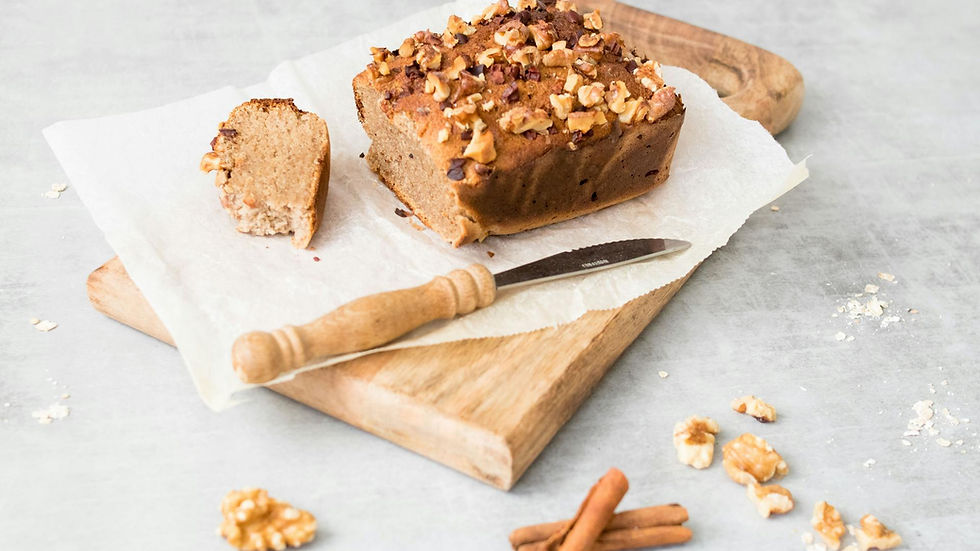
Island-style banana bread doesn't need much. A slice served slightly warm with a thin smear of salted butter is already excellent. A drizzle of coconut cream or a spoonful of Greek yogurt alongside it adds a cool, creamy contrast.
For a more composed presentation, toast a slice lightly and top it with sliced fresh banana, a drizzle of honey, and crushed macadamia nuts. This works well as a brunch option when you're hosting on the lanai.
Banana bread also pairs well with a strong Kona coffee or a cold glass of fresh coconut water. The slight bitterness of the coffee cuts through the sweetness and makes each bite feel more balanced. Pair a slice alongside a classic Hawaiian macaroni salad for a relaxed, local-style lunch spread.
Store the loaf wrapped tightly at room temperature for up to three days, or refrigerate for up to a week. Slices also freeze well for up to three months.
Conclusion: The Joy of Baking Island-Style Banana Bread
Great banana bread comes down to three things: ripe fruit, quality ingredients, and not over-mixing the batter. When you start with what Hawaii naturally provides, the result is a loaf that tastes like it belongs here. Whether you're baking for guests at a Maui villa or just making use of fruit that's past its prime, island-style banana bread rewards the effort every single time. If you enjoy baking with island ingredients, exploring other Hawaiian desserts is a natural next step. Nail these fundamentals, and you'll never go back to a standard banana bread recipe again.
Frequently Asked Questions (FAQs)
1. What kind of bananas work best for banana bread?
The riper, the better. Look for bananas with dark brown or nearly black skins. Hawaiian apple bananas are especially flavorful if you can find them, but any very ripe banana will work well.
2. Can I make banana bread without eggs?
Yes. Replace each egg with a flax egg, which is one tablespoon of ground flaxseed mixed with three tablespoons of water, left to gel for five minutes. The texture will be slightly denser but still moist and flavorful.
3. Why does my banana bread come out gummy in the middle?
This usually means it needed more time in the oven. Every oven runs a little differently. Use a toothpick to test the center, and if it comes out with wet batter, give the loaf another five to ten minutes before checking again.
4. Can I use frozen bananas?
Absolutely. Frozen bananas work great for banana bread. Thaw them completely, drain off the liquid, and mash them as usual. They tend to be even sweeter and softer than fresh overripe bananas.
5. How do I get a crispier crust on my banana bread?
Sprinkle a thin layer of raw sugar or toasted coconut flakes over the top of the batter before it goes into the oven. Both options caramelize during baking and create a satisfying crust without affecting the interior texture.


Comments