


Why Grilled Mahi Mahi Is a Must-Have for Authentic Pacific Coast Menus
- Jun 27
- 6 min read
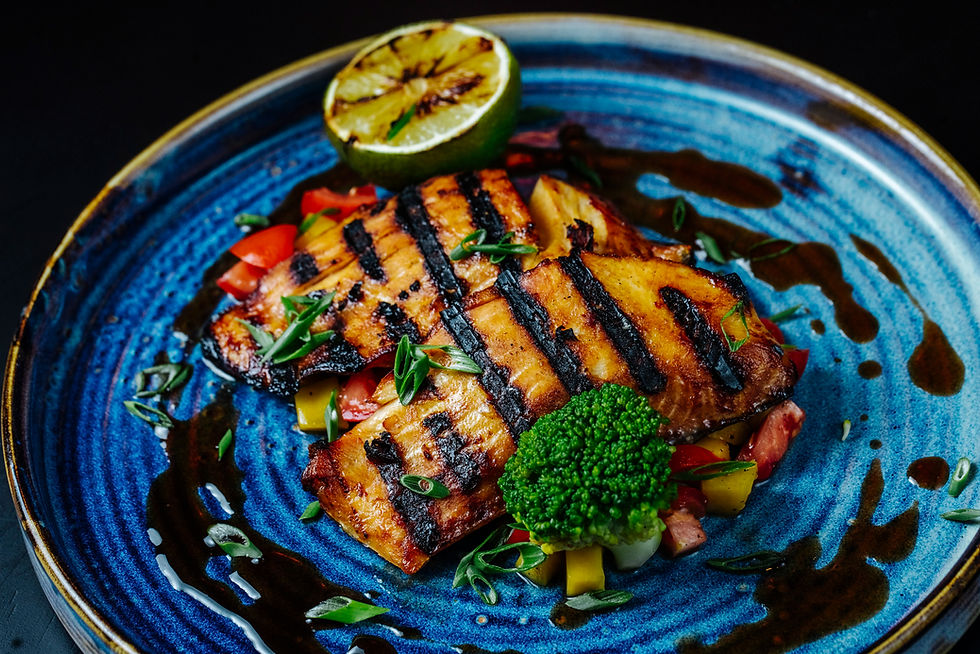
Grilled mahi mahi is one of those dishes that just makes sense on a Pacific Coast menu. If you've ever wondered why it shows up on so many island-inspired tasting menus, the answer goes deeper than taste.
It's about origin, texture, culture, and the kind of dining experience you only get when the ingredients are this fresh. When grilled mahi mahi is done right, it's a reflection of the island itself.
What Makes Mahi Mahi a Pacific Coast Fish
The name mahi mahi comes from the Hawaiian language and translates to "strong strong," a nod to how vigorous these fish are in the water. They're warm-water fish, most commonly found in the tropical and subtropical waters of the Pacific, including the coastline around Hawaii.
Unlike many seafood options that travel far before reaching your plate, Pacific mahi is caught year-round in Hawaiian and US Pacific coast waters.
What separates mahi mahi from other white fish is its structure. Compare it to the competition:
Cod and tilapia are delicate and flaky, prone to breaking down under high heat
Swordfish is firm but heavy, with a denser, almost steak-like quality
Mahi mahi lands in the sweet spot: lean, large-flaked, and firm enough to hold together beautifully on a grill
That combination makes it one of the most versatile fish in any serious chef's lineup, whether it's being seared, roasted, or cooked directly over an open flame.
The Flavor Profile That Makes It Grill-Ready
Some fish fall apart on a grill. Mahi mahi doesn't. Its firm flesh holds its shape over direct heat, taking on a proper char without turning into a mess. That's one of the first things a private chef notices when working with fresh Pacific mahi.
The flavor is mild and slightly sweet. Nothing overpowering, nothing that screams "fishy." That subtlety is a strength. It means the fish can absorb:
Bold spice rubs and dry seasonings
Citrus-forward marinades with lime, yuzu, or passion fruit
Tropical fruit salsas and butter-based finishing sauces
It takes on smoky, caramelized notes from the grill while still letting the natural sweetness come through. Hawaiian cooking leans into tropical ingredients, bright acidity, and layered flavor. Grilled mahi mahi carries all of that while still letting the quality of the fish speak for itself.
Why Grilled Mahi Mahi Belongs on a Pacific Coast Menu
There's a reason grilled mahi mahi has been a staple in Hawaiian cuisine long before it became popular on mainland menus. It's genuinely local. It comes from these waters, it's woven into the food culture here, and it fits the kind of cooking that defines Pacific Coast dining.
Grilling works in harmony with how fresh island-caught mahi tastes. High heat locks in moisture, builds a light crust, and develops smoky flavor without overpowering the fish. When you're working with a fish this good, the grill does the heavy lifting.
On an elevated tasting menu at a private villa in Maui, grilled mahi mahi becomes more than just an entrée. It's a statement about where you are, what the island produces, and how a skilled chef can take something local and make it feel extraordinary.
Local Sourcing and the Difference Fresh Makes
Not all mahi is equal. Most mahi mahi sold in US grocery stores has been previously frozen. That's fine for a casual home dinner, but it's not the standard a private chef in Maui is working with.
Here's what to look for in quality fresh Pacific mahi:
Flesh: Firm with a light pink hue, no dark or dull brown patches
Smell: Clean and ocean-fresh, not fishy
Source: Line-caught or troll-caught from Hawaiian waters
Line-caught and troll-caught mahi from Hawaiian waters is widely regarded as the best choice for both quality and sustainability. Fresh grilled mahi mahi starts long before it hits the grill. When you book a private chef experience on Maui, part of what you're paying for is someone who knows exactly where to source the best fish and how to serve it at its peak.
How a Private Chef Elevates Grilled Mahi Mahi
The difference between a good mahi mahi dish and an unforgettable one comes down to intention. A private chef builds a dish around the guest, the occasion, and the ingredients available that day.
A few examples of how preparation shifts by occasion:
Honeymoon dinner: Grilled mahi mahi with passion fruit beurre blanc and toasted macadamia nuts, bright, rich, and rooted in the island pantry
Celebration dinner: Mahi anchoring a course alongside coconut-dressed greens and charred pineapple relish
Multi-course tasting menu: Mahi as the centerpiece protein, plated with intention and built to complement every surrounding course
Plating matters too. In a private dining setting, each plate is built for the specific guest sitting in front of it. The visual presentation is part of the experience. That level of care is what distinguishes a private chef dinner from even a very good restaurant.
Pairings That Complement Grilled Mahi Mahi
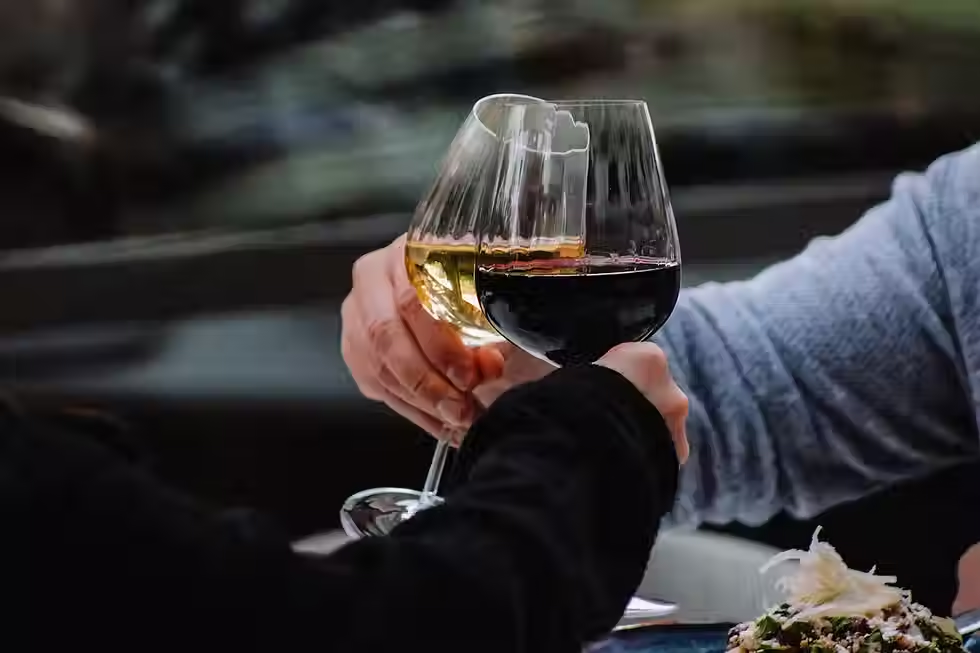
Grilled mahi mahi pairs naturally with ingredients that echo the tropical, coastal environment it comes from.
On the plate:
Coconut rice or citrus-dressed slaw as a base
Grilled local vegetables
Tropical fruit salsas with mango, pineapple, or passion fruit
In the glass:
Albariño, Sauvignon Blanc, or unoaked Chardonnay
Light, citrus-forward cocktails for guests who prefer something tropical
Building a multi-course menu around grilled mahi mahi means thinking about contrast and flow. A light poke or citrus-cured seafood starter sets the stage. The mahi mahi sits as the main event. A coconut or tropical fruit dessert brings the whole meal back to the island.
What Sets Grilled Mahi Mahi Apart on a Custom Tasting Menu
Beyond flavor and cultural relevance, grilled mahi mahi brings real advantages to any custom menu.
Nutritional profile per serving:
High-quality lean protein
Low in saturated fat
Rich in vitamin B12, potassium, niacin, and selenium
That profile resonates with health-conscious guests who don't want to feel like they're eating a "diet" meal.
Dietary accommodations it naturally supports:
Gluten-free
Low-carb
Diabetic-friendly
In a private chef context, dietary preferences are part of the initial conversation. Mahi mahi is a straightforward yes for a wide range of guests.
On the sustainability side, Pacific mahi mahi is recognized by NOAA as responsibly harvested. The species is fast-growing and highly productive. It can withstand responsible commercial and recreational fishing without the population concerns that follow other popular seafood choices.
Guests booking a private chef experience in Maui increasingly ask for grilled mahi mahi by name. They want the real version: fresh, line-caught, prepared by someone who knows the fish. That demand reflects how deeply grilled mahi mahi has embedded itself in the Maui dining experience.
Conclusion
Grilled mahi mahi is a cornerstone of authentic Pacific Coast cuisine for good reason. It's local, culturally rooted, nutritionally strong, and one of the best fish you can put on a grill. When it's sourced fresh from Hawaiian waters and prepared by a chef who understands both the ingredient and the occasion, it becomes something guests remember long after the meal ends.
At Chef Jason Raffin's private dining experience in Lahaina, Maui, grilled mahi mahi earns its place on custom tasting menus because it genuinely belongs there.
If you're planning a private dinner, a honeymoon celebration, or a special event on Maui and want a menu built around what the island does best, reach out and let's design something around fresh, local catches, starting with grilled mahi mahi.
Frequently Asked Questions (FAQs)
1. What does mahi mahi taste like?
Mahi mahi has a mild, slightly sweet flavor with a firm, large-flaked texture. It's not strongly "fishy," which makes it approachable for guests who don't eat a lot of seafood. Grilling adds a light smokiness that pairs well with tropical seasonings and sauces.
2. Is mahi mahi caught in Hawaii?
Yes. Mahi mahi is caught year-round in Hawaiian waters and along the US Pacific coast. Fresh, line-caught Pacific mahi is widely considered the best quality available and is a staple in island cooking and private chef menus across Maui.
3. How is mahi mahi best prepared for a private dinner?
Grilling is the preferred method because it highlights the fish's natural sweetness and builds a subtle char without drying it out. A private chef typically pairs it with island-sourced accompaniments like tropical fruit salsas, coconut rice, or macadamia-based sauces tailored to the occasion.
4. Is mahi mahi a sustainable seafood choice?
Yes. Pacific mahi mahi is recognized by NOAA as a sustainably managed species. It grows quickly, reproduces reliably, and the fishing methods used, primarily trolling and line-catching, have minimal environmental impact.
5. Can mahi mahi accommodate dietary restrictions?
Mahi mahi is naturally gluten-free, low in carbohydrates, and low in saturated fat. It works well for guests following low-carb, diabetic-friendly, or clean-eating diets. When working with a private chef, the entire dish is customized to your dietary needs.


Comments