


How a Hawaiian Poke Bowl Brings Fresh Island Flavors to the Table
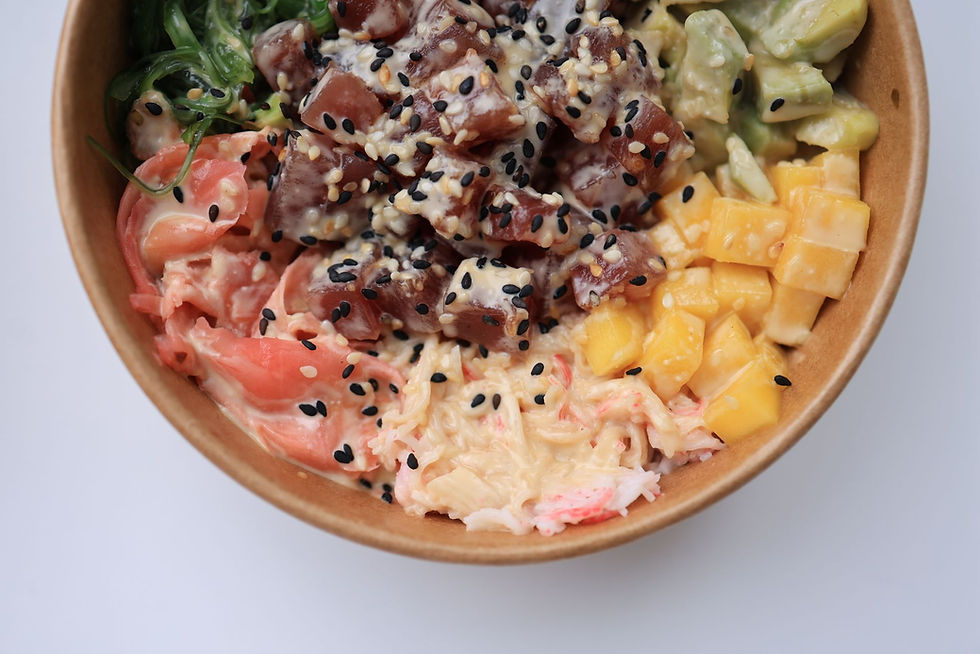
A Hawaiian poke bowl is one of those dishes that makes you stop and pay attention. Not because it's complicated, but because when it's done right, every element earns its place. For visitors arriving in Maui, it's often the first meal that truly feels like the island, fresh, clean, and built around the ocean.
If you've been wondering what makes poke different from a regular fish bowl, or why the version you had in Hawaii tasted nothing like the one back home, you're asking the right questions. The answer starts with where the food comes from and who's making it. For visitors, it ranks among the must-try dishes on the island.
What Is a Hawaiian Poke Bowl
The Meaning of "Poke"
The word "poke" (pronounced poh-kay) means "to slice" in Hawaiian. That single word describes exactly how this dish is prepared: fresh fish, cut with care, and seasoned to let the ingredient shine.
Nothing about a traditional Hawaiian poke bowl is fussy. It was never meant to be. The name itself tells you what matters most. The quality of what's in the bowl.
From Fishermen's Snack to Island Staple
Poke started as a practical dish. Hawaiian fishermen would take freshly caught reef fish, cut it into pieces, and season it with sea salt, limu (seaweed), and crushed kukui nuts. No rice, no sauce, no elaborate plating. Just the catch of the day, prepared simply.
Over time, Japanese immigrants arrived in Hawaii and brought their own culinary traditions. Soy sauce and sesame oil found their way into poke, adding savory, umami depth. Rice became a natural base, turning poke from a snack into a full meal.
That evolution is part of what makes the Hawaiian poke bowl so interesting. This is a dish shaped by the people and the place, not by food trends. Each Hawaiian poke bowl carries that layered history in every bite.
Core Components of an Authentic Hawaiian Poke Bowl
The Protein
At the center of every Hawaiian poke bowl is the fish. Traditionally, that means ahi, yellowfin tuna, cut into uniform cubes and seasoned with Hawaiian sea salt, limu, and inamona (roasted kukui nut). The result is clean and oceanic, with just enough seasoning to bring out what's already there.
Sushi-grade fish is non-negotiable in authentic poke. It should have:
Deep, vibrant color
Firm, dense texture
A clean, ocean-fresh smell
If the fish smells "fishy," it's already past its prime for raw preparation.
Classic Poke Styles
Across the islands, three styles come up again and again:
Shoyu poke. Cubed ahi dressed in soy sauce, sesame oil, and green onion. The most popular style and the one most visitors encounter first.
Spicy poke. Builds on the shoyu base with chili oil or sambal. Bold, but not overwhelming.
Hawaiian-style poke. Just sea salt, limu, and inamona. No soy sauce. The oldest preparation, and the one that lets the fish taste most like itself.
The Base and Toppings
A standard poke bowl starts with a base of sushi rice, warm and slightly sticky so it holds the fish well. Common toppings include:
Pickled ginger and wasabi
Sliced green onion
Furikake (sesame and seaweed seasoning)
Diced chili pepper
A light drizzle of sesame oil
The goal isn't to pile on toppings. The goal is to support the fish without covering it up.
What Sets a Hawaiian Poke Bowl Apart
The Importance of Freshness
Mainland versions of the Hawaiian poke bowl tend to focus on the bowl itself, colorful toppings, creamy sauces, layered ingredients. In Hawaii, the fish is the point. Everything else supports it.
That's most obvious in Maui, where sourcing happens directly from local fishermen. Depending on the day's catch, you might find ono (wahoo), mahi-mahi, or marlin alongside the usual ahi. The variety is a function of freshness, not a menu decision.
When the supply chain is that short, the quality shows up in every bite.
Ingredient Quality Over Complexity
A proper Hawaiian poke bowl doesn't need many ingredients. It needs the right ones:
Fresh, sushi-grade ahi with real color and texture
Hawaiian sea salt with mineral depth
Sweet Maui onions that add flavor without sharpness
Sesame oil used sparingly, not generously
Cooking with local ingredients means you don't need complexity to make a dish memorable. That's what separates a well-made Hawaiian poke bowl from everything else. Restraint and good sourcing do the work.
The Hawaiian Poke Bowl as a Private Dining Experience
Why Poke Belongs in a Custom Menu
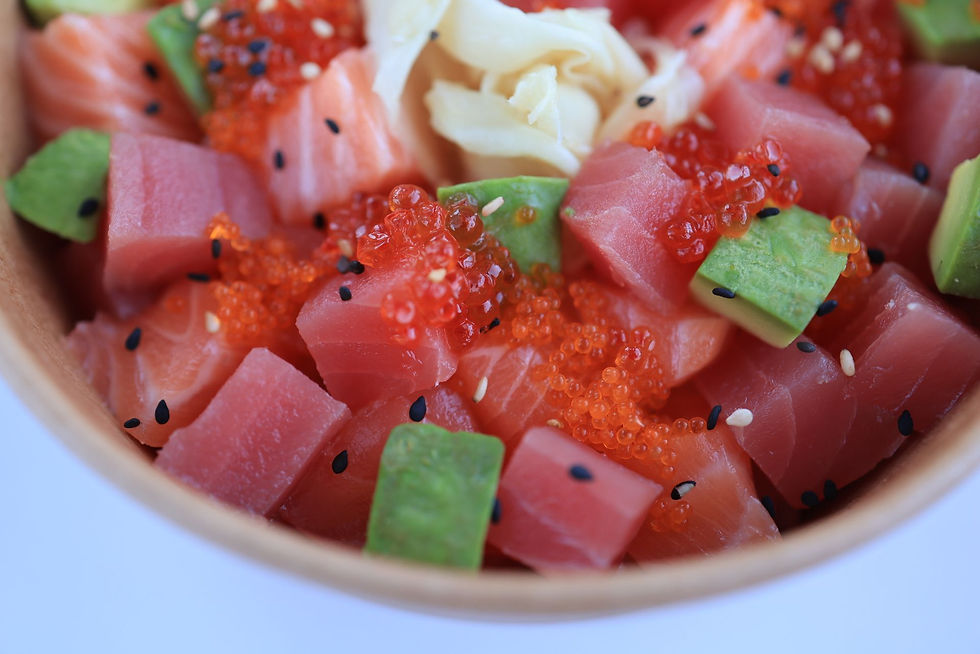
A dish this ingredient-driven fits naturally into a private chef experience. When a menu is built around what's fresh, poke becomes more than a bowl of fish over rice. It becomes a reflection of that specific day on the island. It reflects what the fishermen brought in, what's at peak season, what pairs well with the courses around it.
Guests who experience poke this way get something a restaurant counter can't offer: the dish prepared to order, with fish sourced that morning, by a chef who knows exactly what sushi-grade means.
Poke on a Tasting Menu in Maui
In a private dining context, the Hawaiian poke bowl can serve multiple roles. As a pupu (appetizer), a small portion of shoyu ahi over seasoned rice sets the tone for the meal. Light, fresh, and unmistakably Hawaiian. As a feature course, it becomes more deliberate. Fish is selected for the day, plated cleanly, with toppings that add contrast without distraction.
Chef Jason Raffin builds custom menus for intimate dinners, celebrations, and retreats across Lahaina, Wailea, and the rest of Maui. When poke appears on those menus, it anchors the meal in the islands, a reminder of where you are and why the food here tastes different.
Conclusion
Few dishes capture the spirit of the islands the way a Hawaiian poke bowl does. Fresh fish, honest seasoning, and a deep respect for what the ocean provides.
For anyone visiting Maui, experiencing poke prepared by a private chef using line-caught local fish is one of the most authentic tastes the island has to offer. If you're planning a private dining experience in Lahaina or anywhere across Maui, explore Chef Jason Raffin's custom menus and find out what a Hawaiian poke bowl can be when it's made the right way.
Frequently Asked Questions (FAQs)
1. Is Poke Safe to Eat Raw?
Yes, when the fish is sourced properly. Sushi-grade or sashimi-grade fish is handled with strict temperature controls from the moment it was caught. In Hawaii, supply chains are short and fishermen sell directly to shops and chefs.
What to look for before eating poke raw:
Vibrant color. No dull or grayish tone
Firm texture. Not soft or slimy
Clean ocean smell. Not sour or "fishy"
2. What does a Hawaiian poke bowl typically contain?
A traditional Hawaiian poke bowl contains sushi-grade ahi tuna, Hawaiian sea salt, limu (seaweed), and inamona (roasted kukui nut), served over warm sushi rice. Toppings usually include green onion, sesame seeds, and furikake.
3. What makes Hawaiian poke different from mainland poke?
Hawaiian poke keeps it simple and centers the fish. Mainland versions tend to feature heavier sauces, more toppings, and a mix of ingredients that shift the focus away from the fish.
4. How is sushi-grade fish different from regular fish?
Sushi-grade fish is handled and stored at temperatures that make it safe to eat raw. It's fresher and processed more carefully than standard fish counter options. Always confirm the grade before eating fish raw.
5. Is a Hawaiian poke bowl healthy?
Generally, yes. It's high in lean protein, omega-3 fatty acids, and fresh vegetables. Calorie count depends on toppings and sauce, but the simpler the preparation, the cleaner the nutritional profile.


Comments