


Modern Hawaiian Dessert Ideas Inspired by Maui’s Tropical Ingredients
- Jul 3
- 7 min read
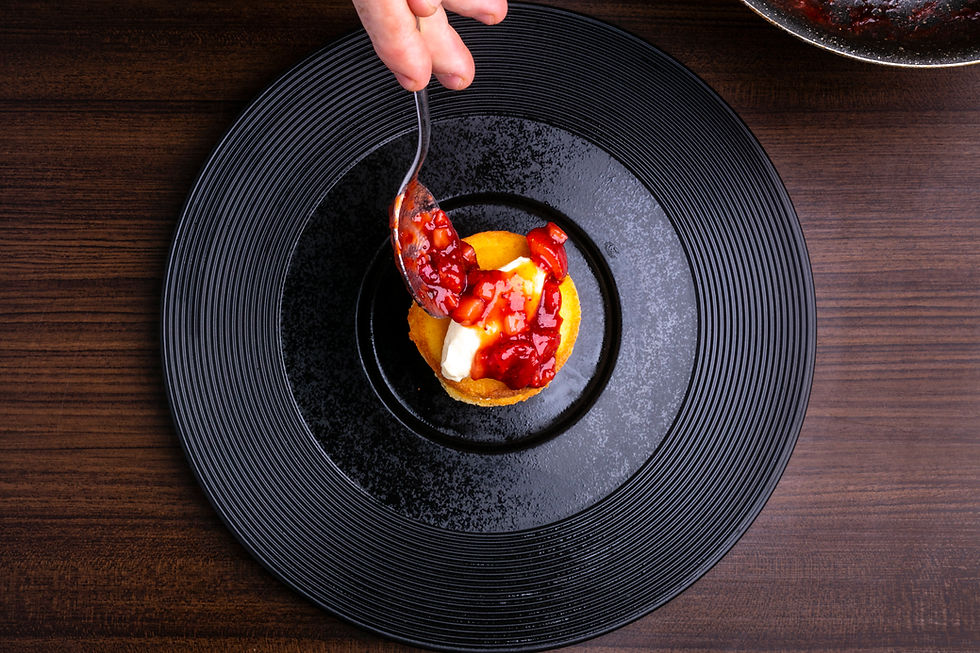
A Hawaiian dessert is not just a sweet course at the end of a meal. It reflects where you are, what the land is growing right now, and the cultures that shaped cooking on these islands. For guests dining privately on Maui, whether in Wailea, Kaanapali, or Lahaina, the dessert course carries the same weight as every prior plate.
This is a chef's perspective on what makes a great Hawaiian dessert worth paying attention to. It also covers how those flavors translate when cooking is done with intention. If you are curious what else Maui's food scene has to offer, the island's must-try foods go well beyond dessert.
What Defines a Hawaiian Dessert
The foundation of any great Hawaiian dessert is cultural layering. Native Hawaiian, Portuguese, Japanese, and Filipino culinary traditions each shaped how sweets are made and served across the islands.
Native Hawaiian roots gave us coconut-based preparations
Portuguese immigrants brought the malasada
Japanese influence introduced delicate textures and restrained sweetness
Filipino tradition gave us ube, a purple yam now beloved across Maui
What sets these desserts apart from mainland sweets is balance. Hawaiian desserts rarely lean on refined sugar alone. Sweetness tends to come from coconut milk, ripe fruit, and natural starches. That creates a more nuanced flavor profile that does not feel heavy after a full meal.
Maui's geography plays a role too. The volcanic soil and elevation of upcountry farms produce fruit with concentrated flavor. Lilikoi grown in Kula tastes different from passion fruit shipped from elsewhere. That provenance shows up on the plate.
In a private tasting menu setting, the dessert course is treated as a closing statement. It is designed to land clean after a full evening of courses, not to overwhelm.
Maui's Key Tropical Ingredients for Hawaiian Dessert
Understanding which ingredients define a Hawaiian dessert helps clarify why the flavors here are so distinct. These are the core ingredients that appear most often on Maui menus:
Lilikoi, tart, intensely aromatic, and acidic. Works well in curds, glazes, and sauces. Upcountry farms produce lilikoi that is noticeably more vibrant than anything imported.
Coconut, foundational to the cuisine. Beyond haupia, it appears as toasted flake, pressed cream, and cooking oil. Its fat content makes desserts silky without relying on dairy.
Macadamia nut, buttery and dense. Works well in crusts, crumbles, and pralines where contrast against something cold or creamy is needed.
Taro, earthy and slightly sweet. Moves beyond its traditional role and works well in financiers, flourless cakes, and custards.
Mango and guava, bright, high-acid fruits that drive sorbets, compotes, and gelee. Their acidity balances richer components in a composed plate.
Ube, the purple yam with Filipino-Hawaiian roots. Delivers subtle nutty sweetness and a color that stops people mid-bite.
Kona coffee, bittersweet and complex. Pairs well with dark chocolate and caramel in more structured dessert courses.
Traditional Hawaiian Dessert Foundations Worth Knowing
Knowing the classics that define the Hawaiian dessert tradition on Maui helps before exploring where modern technique takes these flavors.
Haupia is the cornerstone. Made from coconut milk set with cornstarch, it is traditionally served in squares at luaus and celebrations. The texture sits somewhere between pudding and gelatin, clean on the palate and lightly sweet.
Malasada is Portuguese in origin but has become deeply Hawaiian. These fried dough rounds, dusted in sugar, are now filled with lilikoi cream, ube, or toasted coconut across Maui bakeries.
Hula pie was originally created in Lahaina. Built on an Oreo cookie crust with macadamia nut ice cream, hot fudge, and whipped cream. Indulgent and unapologetically rich.
Chantilly cake confuses mainlanders expecting whipped cream. The Hawaiian version uses a rich, custard-style frosting closer to buttercream, built for layered cakes at local celebrations.
Guava chiffon cake is light, tangy, and visually distinctive with its pink glaze. The guava flavor is bright without being cloying, and the chiffon texture keeps it from feeling heavy.
Modern Takes on the Classic Hawaiian Dessert
This is where a trained chef's perspective diverges from a standard recipe format. A classic Hawaiian dessert does not have to stay in its original form to honor what it represents.
Here is how familiar ingredients shift in a composed, plated context:
Haupia becomes a panna cotta with a gelatin set instead of cornstarch. Whipped with cream, it becomes a mousse. As a quenelle alongside a lilikoi tart, it reframes a traditional ingredient on a composed plate.
Lilikoi works well as a curd layered into tarts or pressed against dark chocolate ganache. The tartness cuts through fat in a way that makes both components taste better.
Ube in a custard cream or small-batch ice cream becomes a natural component in a multi-course dessert. The color reads well against a dark plate.
Taro flour in a financier creates something earthy and gluten-flexible, a clean finish for guests with dietary preferences.
Macadamia nut praline, crumbled over a tropical sorbet, adds crunch where the dessert would otherwise feel one-dimensional.
One underused ingredient worth noting is Maui Ali'i lavender, grown in Kula at elevation. It has a floral, slightly herbal quality that pairs with honey, guava, and white chocolate. It feels uniquely of this place.
The common thread is seasonal sourcing. A dessert menu built around what local farms are producing now will always outperform a fixed recipe list.
Pairing Hawaiian Desserts with the Rest of a Tasting Menu
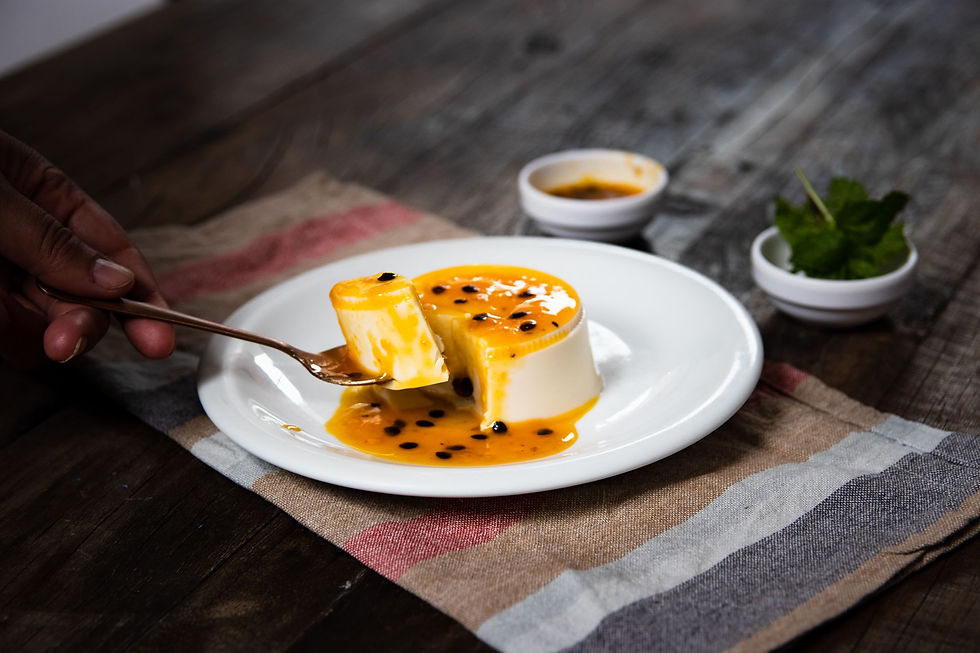
In a multi-course private dinner, the Hawaiian dessert is not selected in isolation. It follows savory courses, and how it lands depends on what came before it.
After fresh ahi crudo, handmade pasta, and a seared protein, the palate has been working hard. A heavy cake or rich chocolate dessert can feel like too much at that point. Better options to close the meal cleanly:
A light lilikoi sorbet
A haupia panna cotta
A mango gelee with macadamia praline
For beverage pairings, a clean Kona cold brew works well alongside chocolate and taro. Coconut water kefir or a light tropical shrub complements fruit-forward plates. Dessert wines work when the course has enough acid or bitterness to push back.
Custom tasting menus allow the dessert to reflect the occasion. A honeymoon dinner calls for something elegant. A family celebration might elevate a nostalgic flavor like guava chiffon. A quiet retreat might end with something lighter and more seasonal.
Sourcing Ingredients That Make the Difference
The sourcing conversation that applies to ahi and local vegetables applies equally to the Hawaiian dessert course. Lilikoi picked at peak ripeness and used within days tastes completely different from imported concentrate. That difference is not subtle.
Maui has a strong farm network. Kula Country Farms and upcountry growers produce fruit and specialty ingredients that shift with the season. For a private chef, shopping means direct relationships with growers, not a standing supplier order. Shopping the island is part of what makes each menu feel specific to Maui and to the week.
Seasonal availability shapes what ends up on the plate:
Summer, mango is at peak
Fall, lilikoi runs strong
Year-round, coconut, taro, and macadamia remain consistent anchors
A dessert menu that follows those rhythms will always be more honest than one that ignores them.
What to Expect from a Hawaiian Dessert Course at a Private Dinner
At a private dinner with Chef Jason Raffin, the Hawaiian dessert course is not selected from a set list. It is built as part of the full menu conversation before the evening begins.
Guests share preferences, dietary restrictions, and the nature of the occasion. That information shapes the dessert from the start. A guest with a nut allergy does not receive a macadamia-forward plate as a last-minute substitution. The course is designed to work for everyone at the table.
The same sourcing and presentation standards that apply to every prior course apply here. The dessert arrives plated with the same care as the ahi crudo that opened the meal. The close of an evening is remembered just as clearly as the beginning.
Private dining should feel like every detail was considered for you. The dessert course is where that attention either lands or falls short.
Dessert as the Final Expression of Maui's Ingredients
A Hawaiian dessert, at its best, is an expression of place. It is the volcanic soil of Kula, the lilikoi picked that week, and the coconut central to Hawaiian cooking for generations. Shaped by multiple culinary traditions and the occasion at hand, it becomes something that could only exist here.
That is what makes the dessert course worth designing carefully. It is the final thing guests taste. It carries the full weight of the meal that came before it.
If you are planning a private dinner on Maui and want to discuss a custom dessert course, reach out to Chef Jason Raffin. Every Hawaiian dessert on the menu begins with what the island is offering this season.
Frequently Asked Questions (FAQs)
1. What makes a Hawaiian dessert different from other desserts?
Island sweets draw from Native Hawaiian, Portuguese, Japanese, and Filipino traditions. They use natural sweeteners from coconut, fruit, and local starches rather than refined sugar. That gives them a more balanced and less heavy flavor profile.
2. What tropical fruits are commonly used in Hawaiian desserts?
Lilikoi (passion fruit), mango, guava, and coconut are the most common tropical fruits in a Hawaiian dessert. On Maui, these are often sourced from upcountry farms, producing fruit with more concentrated flavor than imported varieties.
3. What is a modern take on haupia?
Traditional haupia is set with cornstarch into squares. Modern interpretations include haupia panna cotta set with gelatin, haupia mousse whipped with cream, or haupia used as a component within a composed plated dessert. Each approach reframes a traditional preparation without losing what makes it Hawaiian.
4. Can a Hawaiian dessert course accommodate dietary restrictions?
Yes. When a Hawaiian dessert is designed as part of a custom tasting menu, dietary needs are addressed from the start. Taro-based preparations work well for gluten-free guests. Coconut cream replaces dairy where needed. The menu is built around the guests, not adjusted after the fact.
5. What is the best Hawaiian dessert ingredient that most people overlook?
Maui Ali'i lavender, grown in Kula at elevation, is one of the most underused local ingredients in the Hawaiian dessert world. Its floral, slightly herbal quality pairs well with guava, honey, and white chocolate. It is entirely unique to this part of Maui.


Comments